
Author name: digitalasmi14@gmail.com

BLOG

Types of Digital Marketing

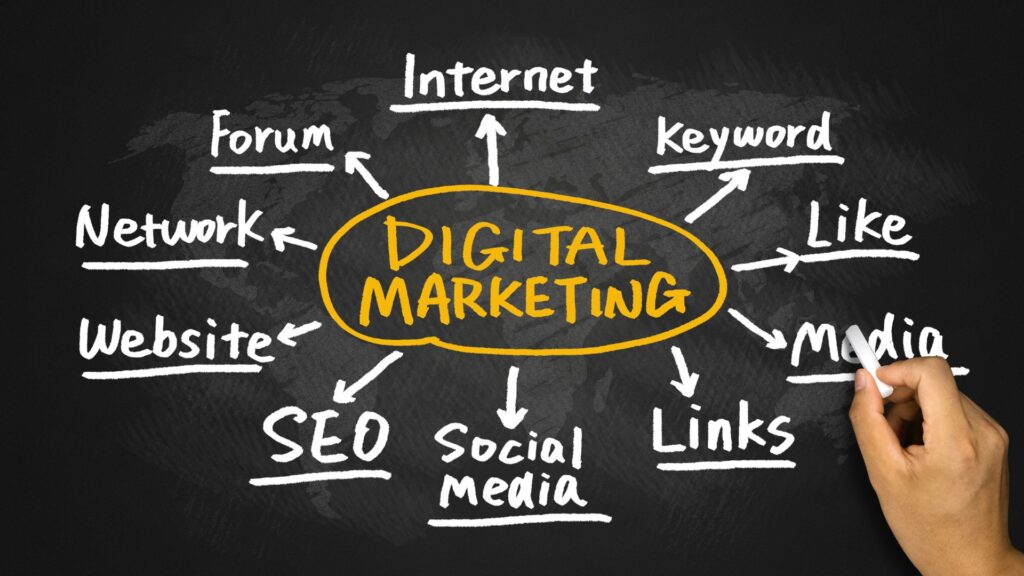
Digital marketing encompasses a variety of online strategies and channels used to promote products, services, and brands. As the digital landscape has grown, so have the methods businesses use to reach customers online. Each type of digital marketing offers unique advantages, and companies often use a combination of these strategies to create an effective, well-rounded marketing plan. Below are the major types of digital marketing explained in detail. 1. Search Engine Optimization (SEO) SEO is the process of optimizing a website to improve its visibility on search engines like Google. When users search for keywords related to a business, SEO helps ensure that the website appears high in the search results. SEO includes keyword research, content optimization, improving site speed, link building, and strengthening the overall user experience. Because more visibility means more organic traffic, SEO is considered one of the most valuable long-term digital marketing strategies. 2. Content Marketing Content marketing focuses on creating and distributing valuable, relevant, and engaging content to attract and retain an audience. This content can include blog posts, videos, infographics, podcasts, e-books, and more. Rather than directly promoting a product, the goal is to provide helpful information that builds trust and positions the brand as an authority. Over time, content marketing supports SEO, increases brand awareness, and drives customer action. 3. Social Media Marketing (SMM) Social media marketing uses platforms like Facebook, Instagram, TikTok, X (Twitter), Pinterest, YouTube, and LinkedIn to promote a brand. Businesses create posts, run ads, engage with followers, and build communities around their content. Social media marketing is highly effective because it allows real-time interaction, targeted advertising, and the ability to measure engagement. It is especially powerful for storytelling, brand building, and increasing customer loyalty. 4. Pay-Per-Click Advertising (PPC) PPC involves running paid ads where the advertiser pays only when a user clicks the ad. Google Ads, Meta Ads (Facebook and Instagram), YouTube ads, and LinkedIn ads are common PPC platforms. This method allows businesses to reach audiences instantly using targeted criteria such as keywords, interests, demographics, and locations. PPC is ideal for generating quick traffic, launching new products, and promoting time-sensitive offers. 5. Email Marketing Email marketing uses email campaigns to communicate with subscribers and customers. It is one of the most cost-effective forms of digital marketing because it reaches people who have already shown interest in the brand. Emails can include newsletters, promotional offers, product updates, personalized recommendations, and automated follow-ups. With proper segmentation and personalization, email marketing helps nurture relationships and increase sales. 6. Affiliate Marketing Affiliate marketing is a performance-based strategy where businesses reward individuals or partners (affiliates) for driving traffic or sales. Affiliates promote products through blogs, YouTube channels, social media, or websites, and earn a commission for each conversion. This system benefits both parties—businesses gain exposure and sales without upfront advertising costs, while affiliates earn income by promoting products they trust. 7. Influencer Marketing Influencer marketing involves partnering with influencers—people with a large or engaged online following—to promote products. Influencers can range from celebrities to micro-influencers with niche audiences. Because followers trust their recommendations, influencer marketing is highly effective for boosting credibility and reaching targeted audiences. Brands use influencers for product reviews, unboxing videos, sponsored posts, and social media takeovers. 8. Video Marketing Video marketing uses video content to promote a brand, product, or service. Platforms such as YouTube, TikTok, Instagram Reels, and Facebook Watch have made video one of the most consumed content formats online. Videos can include tutorials, testimonials, behind-the-scenes clips, product demos, and animated explainers. Video marketing strengthens engagement because it is visual, easy to consume, and highly shareable. 9. Mobile Marketing Mobile marketing targets users on smartphones and tablets. It includes SMS campaigns, in-app advertising, push notifications, mobile-friendly websites, and location-based marketing. As mobile usage continues to rise, optimizing marketing strategies for mobile devices ensures a broader reach and better user experience. 10. Search Engine Marketing (SEM) SEM involves paid advertising on search engines. While often confused with SEO, SEM specifically refers to using paid methods like Google Ads to appear at the top of search results. It provides immediate visibility for businesses and is especially useful in competitive markets where organic ranking takes time. 11. Online Public Relations (Digital PR) Digital PR focuses on improving a brand’s online reputation through press releases, online publications, interviews, and mentions in digital media. It also includes managing online reviews, responding to customer feedback, and building positive relationships with digital journalists and bloggers. In summary, digital marketing includes a wide range of strategies such as SEO, content marketing, social media marketing, PPC, email marketing, affiliate partnerships, influencer collaborations, and more. Each type plays a unique role in attracting, engaging, and converting customers. When combined effectively, these digital marketing strategies help businesses increase visibility, build trust, and drive long-term growth in the digital world.
BLOG

What is SEO?

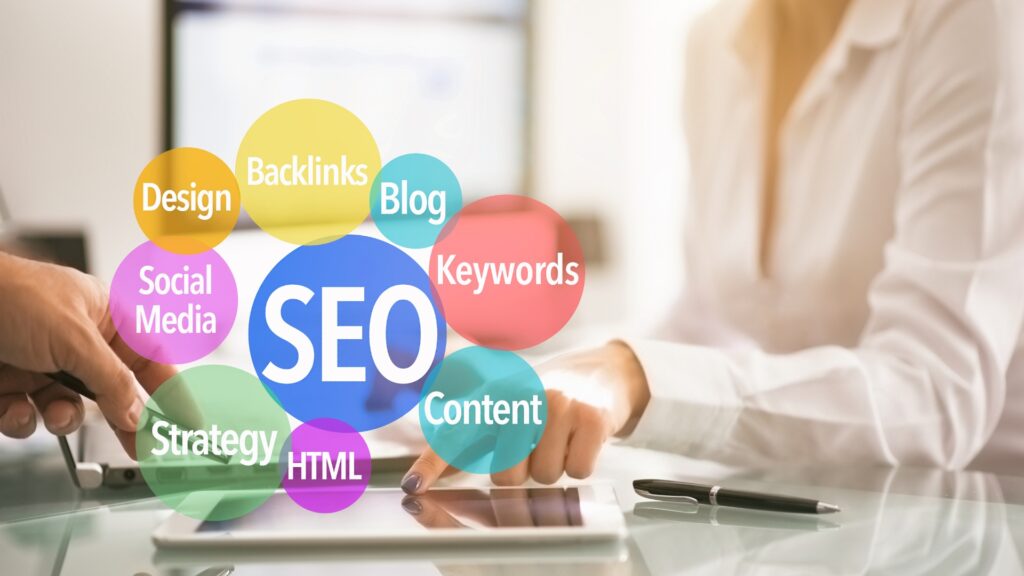
Search Engine Optimization (SEO) is the process of improving a website’s ranking on search engines like Google, Bing, and Yahoo in order to increase its visibility and attract organic (non-paid) traffic. In today’s digital world, where millions of users search the internet for information, products, and services, SEO has become an essential strategy for businesses and content creators. By optimizing a website to meet search engine guidelines and user expectations, SEO helps ensure that the right people find the right content at the right time. SEO is built on the idea that search engines aim to provide users with the most relevant and high-quality results. To determine which pages deserve to rank at the top, search engines use algorithms that evaluate hundreds of factors, known as ranking signals. SEO focuses on improving these signals through three core components: on-page SEO, off-page SEO, and technical SEO. Each component works together to enhance visibility, credibility, and usability. On-page SEO involves optimizing elements that exist directly on a website. The foundation of on-page SEO is keyword research, which helps identify terms and phrases users commonly search for. Once keywords are selected, they are strategically placed in page titles, headings, meta descriptions, URLs, and throughout the content. However, SEO today is not just about inserting keywords; it is about creating high-quality, user-focused content that answers questions, solves problems, and provides value. Search engines reward content that is original, informative, and well-structured. On-page SEO also includes optimizing images, improving internal linking, enhancing readability, and ensuring that the layout is intuitive. For example, adding alt text to images helps search engines understand visuals, while clear headings and bullet points make content easier for users to digest. Ultimately, the purpose of on-page SEO is to create pages that both users and search engines can understand and appreciate. Off-page SEO deals with factors outside the website that influence its authority and trustworthiness. The most well-known of these is backlink building—earning links from other reputable websites. When a reliable site links to another site, it essentially acts as a vote of confidence. The more high-quality backlinks a website has, the more likely search engines are to view it as authoritative. Off-page SEO also includes strategies such as social media engagement, influencer outreach, digital PR, guest posting, and managing online reviews. These activities help build a brand’s reputation across the internet. For example, a business with many positive reviews on trusted platforms is likely to rank higher for local SEO searches. In this way, off-page SEO strengthens a website’s credibility, which is a critical factor in ranking. Technical SEO ensures that a website functions well behind the scenes. This involves optimizing elements that help search engine bots crawl, index, and understand the site. Important aspects of technical SEO include improving site speed, making the site mobile-friendly, setting up XML sitemaps, fixing broken links, using HTTPS for security, and implementing structured data to help search engines understand the content contextually. With the increasing use of mobile devices, Google has adopted mobile-first indexing, meaning it evaluates the mobile version of a site before the desktop version. As a result, technical SEO is more important than ever, requiring websites to load quickly and perform smoothly on all devices. One of the key advantages of SEO is that it generates long-term, cost-effective traffic. Unlike paid advertising, which stops delivering results once the budget runs out, SEO continues to attract visitors over time. Once a page ranks well, it can maintain its position with regular updates and optimization. This makes SEO a powerful investment for long-term digital growth. Another strength of SEO is that it provides insightful data. Tools like Google Analytics and Google Search Console show which keywords are performing well, how users interact with a site, and where improvements are needed. This data-driven approach helps businesses refine their content strategy, improve user experience, and increase conversion rates. SEO also enhances user experience, which is a core factor in search engine rankings. A fast, mobile-friendly, easy-to-navigate site keeps users engaged longer and reduces bounce rates. This not only improves rankings but also increases the likelihood of turning visitors into customers. In summary, SEO is a comprehensive strategy that improves a website’s visibility, authority, and usability to attract organic traffic from search engines. It combines on-page, off-page, and technical efforts to create a site that is trustworthy, high-quality, and user-friendly. As online competition continues to grow, SEO remains a fundamental part of digital marketing and a vital tool for achieving long-term online success.

BLOG

What is Digital Marketing ?

Digital marketing refers to the use of digital channels, platforms, technologies, and strategies to promote products, services, or brands to a targeted audience. Unlike traditional marketing, which relies on mediums such as television, radio, billboards, and print publications, digital marketing operates in the online environment where people spend a significant portion of their time. It encompasses a wide range of online tactics, including social media marketing, search engine optimization (SEO), email marketing, content creation, paid advertising, and more. Because digital marketing is highly measurable and adaptable, it has become an essential component of modern business strategies. At its core, digital marketing aims to connect businesses with customers at the right time and in the right place. Thanks to the rise of smartphones, social media platforms, and search engines, companies can now reach global audiences instantly. This shift has not only widened the scope of marketing but has also made it more interactive. Unlike traditional one-way communication, digital marketing encourages conversations between brands and consumers. A customer can comment on a social media post, send a message, write a review, or share content, contributing to a dynamic relationship that shapes brand perception. One major component of digital marketing is Search Engine Optimization (SEO). SEO involves optimizing websites so they rank higher on search engine results pages when users search for relevant keywords. This is important because people rarely look beyond the first page of search results. By improving website structure, content quality, and keyword relevance, businesses can increase their visibility and attract organic traffic without paying for ads. SEO is a long-term strategy, but when done well, it delivers sustainable results and builds trust with the audience. Another key area is content marketing, which focuses on creating valuable, informative, and engaging content to attract and retain customers. This content can take many forms, including blog posts, videos, infographics, podcasts, e-books, and social media updates. The goal is not just to promote a product but to educate or entertain the audience, positioning the brand as an authority in its industry. High-quality content improves SEO, builds brand credibility, and helps guide customers through the buying journey. Social media marketing is also a crucial part of digital marketing. Platforms such as Facebook, Instagram, X (formerly Twitter), TikTok, LinkedIn, and YouTube allow businesses to interact directly with their audience. Companies can share updates, run ads, host live sessions, collaborate with influencers, and engage with followers in real time. Social media marketing is powerful because it combines creativity with analytics. Marketers can track engagement, reach, and conversions to understand which posts perform best and adjust their strategy accordingly. Email marketing remains one of the most effective digital marketing strategies because it allows businesses to communicate directly with individuals who have expressed interest in their offerings. Through newsletters, promotional emails, and personalized campaigns, businesses can nurture leads, provide updates, and encourage repeat sales. Email marketing tools also allow segmentation, meaning companies can tailor messages to specific groups based on behavior, demographics, or preferences. Pay-per-click (PPC) advertising is another vital component of digital marketing. PPC ads appear on search engines, social media platforms, and websites, and advertisers pay only when users click on their ads. Google Ads and Meta Ads (Facebook and Instagram) are among the most popular PPC platforms. This method is highly measurable and can generate quick results, making it ideal for businesses that want immediate visibility or are promoting time-sensitive offers. A significant advantage of digital marketing is its measurability. With tools like Google Analytics and social media insights, marketers can track performance in real time. They can monitor website traffic, conversions, click-through rates, and customer behavior to determine what works and what doesn’t. This data-driven approach allows businesses to optimize their strategies continually, improve return on investment, and understand their audience more deeply. Furthermore, digital marketing supports personalization, allowing businesses to deliver customized content and recommendations based on customer interests and behavior. Personalized experiences increase customer satisfaction, loyalty, and sales. In summary, digital marketing is a comprehensive, data-driven approach to promoting products and services through online channels. It combines creativity, technology, analytics, and strategy to reach audiences effectively. As the digital landscape continues to evolve, businesses that invest in digital marketing are better positioned to connect with customers, compete in their industry, and drive long-term growth.

Scroll to Top